
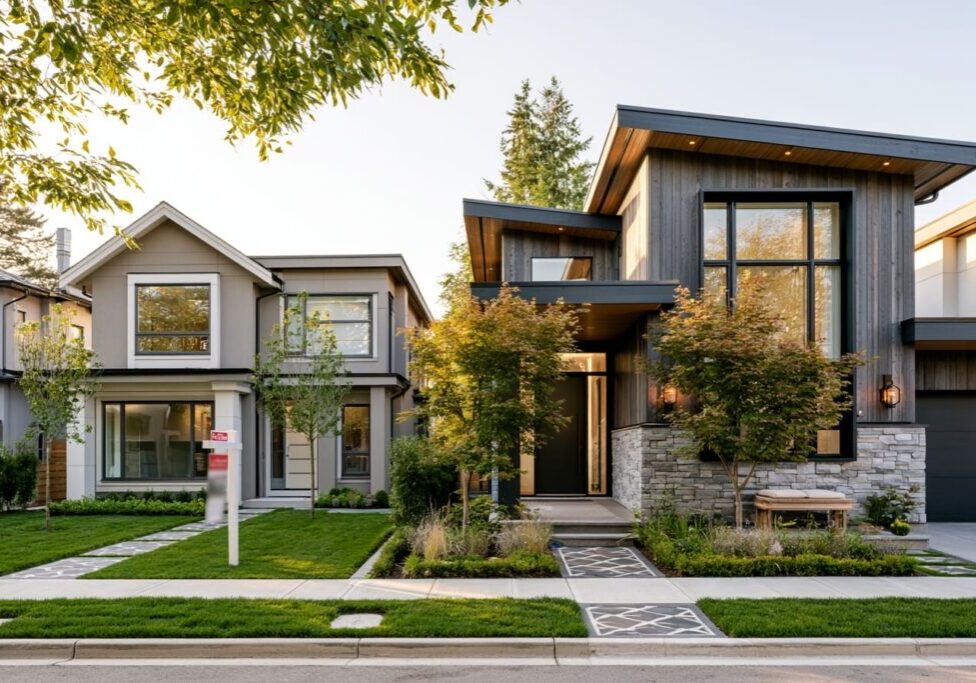
A spec home is a new home a builder starts before a specific buyer is committed, so the layout, finishes, and many construction choices are already set. A custom home is designed and built around your land, lifestyle, budget, and priorities from the beginning. The simple difference is speed versus control: a spec home can be easier to buy and move into sooner, while a custom home gives you more say over how the home lives, performs, and feels. If fit matters more than convenience, working with a custom home builder early is worth more than comparing finished homes against a ground-up build.
Choosing between the two is not just a real estate decision. It affects your timeline, budget planning, design control, warranty checks, and the way the home supports your family over the next 10 to 20 years. A spec home may be the right fit when the design already works for you. A custom home is usually the better fit when you want the home to solve specific needs instead of adapting your life to someone else’s plan.
If you are comparing a finished spec home against a custom build, it is worth talking through the trade-offs and the due diligence before you commit. Our team can help you understand whether a custom home gives you better long-term value for your Lower Mainland property, and you can book a consultation with Bali Brothers Construction to get started.
Spec Home Vs Custom Home Difference At A Glance

The fastest way to compare a spec home and a custom home is to look at who makes the key decisions, when those decisions happen, and how much flexibility you have before construction is complete. A spec home gives you a simpler purchase path because many choices are already made. A custom home asks for more planning, but it gives you more control over the lot, layout, finishes, systems, and long-term function.
| Factor | Spec Home | Custom Home |
| Definition | Built by a builder before a buyer is confirmed | Designed and built for a specific client |
| Best For | Buyers who want a newer home sooner | Owners who want a site-specific, personal home |
| Design Control | Limited, especially once construction is underway | High, especially before design and permits |
| Timeline | Usually faster because decisions are already made | Longer because design, pricing, permits, and construction are planned around you |
| Budget Control | Price is usually set by the builder or market | Budget is shaped through scope, design, finishes, site conditions, and contract structure |
| Lot Fit | Based on the builder’s plan for that property | Planned around your lot, views, grade, zoning, and lifestyle |
| Decision Load | Lower | Higher, but more guided with the right builder |
| Best Question To Ask | “Do I like what has already been chosen?” | “What do I want this home to solve for the next 10 to 20 years?” |
Quick Definition Of A Spec Home
A spec home, short for speculative home, is a home a builder starts with the expectation that a buyer will purchase it before, during, or after construction. The builder usually chooses the floor plan, exterior style, finish package, fixtures, and many technical details before a buyer is involved. That can make the buying process feel simpler because you are assessing a defined product rather than creating the home from scratch.
The trade-off is that you are buying into someone else’s assumptions. The builder has already decided what the market may want, how the rooms should flow, where the budget should go, and what finish level makes sense for the sale price. That can work well when those choices match your needs, but it can feel limiting if you want a home shaped around your own routines.
Quick Definition Of A Custom Home
A custom home is planned for a specific owner, property, budget, and lifestyle. The process usually starts with land, design goals, municipal requirements, cost planning, and a build team that helps turn the idea into a permitted, buildable home. Instead of asking whether you like what has already been chosen, you are deciding what should be chosen in the first place.
A custom home gives you more control over how the home feels and functions. You can plan room relationships, natural light, storage, outdoor living, aging-in-place details, mechanical systems, and finish priorities before construction starts. That early control is the main reason many Lower Mainland homeowners choose custom building over buying a finished spec home.
The Main Difference Is Control, Not Just Price
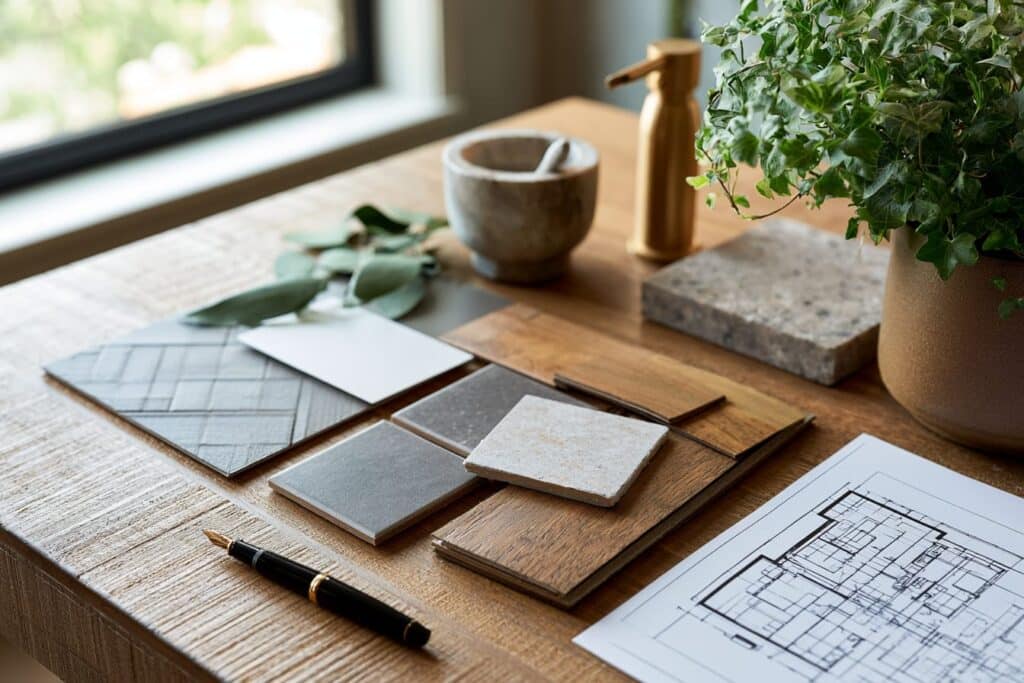
Price matters, but it is not the only difference between a spec home and a custom home. The deeper difference is control. A spec home gives you less decision-making and a clearer finished product, while a custom home gives you more influence over the decisions that shape the home from the first sketch to the final walkthrough.
That control affects more than surface finishes. It influences the structure, layout, window placement, energy performance, storage, electrical planning, suite potential, outdoor connections, and the way the home sits on the lot. A spec home may be convenient, but a custom home can be more precise.
A Spec Home Gives You Less Decision-Making
A spec home can feel easier because the builder has already handled many design and construction decisions. You may not need to compare floor plan options, choose every fixture, review multiple cabinet layouts, or decide where each dollar should be invested. For buyers who want a newer home without a long planning process, that simplicity can be valuable.
However, less decision-making also means less influence. The floor plan is often fixed. The kitchen, bathrooms, flooring, lighting, exterior materials, and mechanical choices may already be ordered or installed. Even if the builder allows some changes, those changes may be limited by construction stage, supplier lead times, permits, cost, and whether the change affects work already completed.
A Custom Home Gives You More Control Earlier
A custom home gives you the most control when the builder, architect, and designer are aligned early. That is when layout, budget, constructability, and finish expectations can be tested together instead of corrected later. Early alignment also helps reduce disconnects between the drawings, the site, the schedule, and the actual build. Knowing what a custom home builder does versus an architect or designer makes it easier to know who owns which decision during the build.
This is where the process matters. A strong custom home process does not mean unlimited choices with no structure. It means guided decisions, clear pricing, planned trade sequencing, and communication that helps you enjoy the journey instead of feeling buried in details.
Which One Costs More: Spec Home Or Custom Home?
A spec home often feels easier to price because it has a listed purchase price or a defined offer range. A custom home has more moving parts because the final cost depends on the lot, scope, design complexity, site conditions, finish level, municipal requirements, and how early the budget is checked against the drawings. That does not make one option automatically better or worse. It means you need to understand what the number includes.
The real comparison is not simply “spec homes are cheaper” and “custom homes are expensive.” A spec home has a price attached to decisions already made. A custom home lets you decide where the investment should go and why.
A Spec Home Has A More Obvious Purchase Price
A spec home usually comes with a more obvious purchase price because the builder or seller has already packaged the home for market. You can compare it against other listings, negotiate terms, review inclusions, and assess whether the home feels worth the asking price. That can make the decision feel cleaner, especially when you are also managing financing, possession dates, or the sale of another property.
Still, the purchase price does not tell the full story. You should look at the quality of the materials, what was upgraded, what was built to a basic standard, what is excluded, and whether the home’s layout will still work for you in 5 or 10 years. A lower-friction purchase can become costly if the home needs major changes soon after move-in.
A Custom Home Lets You Decide Where The Budget Goes
A custom home is not about spending more on every detail. It is about deciding which details deserve the budget. You might invest more in windows, building envelope, kitchen function, storage, mechanical systems, or outdoor living, then simplify areas that matter less to your daily life. That is difficult to do with a spec home because the budget has already been allocated.
Cost depends on the lot, design complexity, finish level, municipal requirements, and how early the budget is tested against the drawings. What a custom home costs in the Lower Mainland comes down to those variables far more than to a single price per square foot.
The Better Question Is What You Are Paying For
The better question is not only which home costs more. It is what you are paying for and whether those choices fit your life. A spec home may include features you would not have chosen, while missing details that matter to your family, such as better storage, a different kitchen flow, a larger mudroom, or stronger indoor-outdoor connection.
A custom home gives you a chance to align cost with priorities before construction starts. That can make the budget feel more intentional, especially when the builder provides a fixed-price contract, clear inclusions, and a detailed build schedule. You are not just paying for a finished house. You are paying for fit, planning, process, and control.
Which Option Is Faster?

Spec homes are usually faster because the builder may have already completed design, permitting, site preparation, framing, rough-ins, or finishing. A custom home takes longer because the project needs to move through design, pricing, permitting, scheduling, selections, and construction around your specific property. Speed is one of the strongest advantages of a spec home.
However, faster is only better when the home already fits. If you need major changes after buying, the time saved upfront can disappear into renovations, upgrades, or compromises. A custom home asks for more patience, but the planning stage can prevent expensive changes later.
Spec Homes Are Usually Faster To Occupy
A completed spec home can be ready for possession much sooner than a ground-up custom build. Even a spec home that is still under construction may have the major decisions completed, which can shorten the path to move-in. This can be helpful if you are relocating, trying to move before a school year starts, or working around the sale of your current home.
That speed comes from reduced decision-making and an existing construction path. The builder has already chosen the drawings, suppliers, trades, and schedule. You are stepping into an active or completed project instead of starting at the beginning.
Custom Homes Need More Upfront Planning
A custom home needs more upfront planning because the team must confirm what is possible on the lot, what the municipality requires, what the design will cost, and how the build will be scheduled. In Vancouver, permit planning can be one of the biggest timeline variables for a new custom home, so it helps to understand the Vancouver building permit timeline for a new house before finalizing design assumptions.
The City of Vancouver confirms that building a new duplex, single detached house, or laneway house requires approvals and permits, and it notes that processing times vary based on application complexity, completeness, and current volume. That is why custom home planning should include permit strategy early, not after the drawings feel finished.
When A Spec Home Makes Sense

A spec home can be a smart choice when convenience matters more than personalization. It can also work well when you like the builder’s design choices, the location fits your life, and the home is far enough along that you can assess the finished product with confidence. Not every buyer needs a custom build.
The key is to be honest about what you are accepting. You are not only buying a new home. You are buying the builder’s plan, finish package, budget decisions, and interpretation of what the market wants.
You Want A Newer Home Without A Full Design Process
A spec home makes sense when you want the benefits of a newer home but do not want to manage a full design and build process. You may not want to review drawings, choose every finish, compare mechanical options, or work through months of planning before construction starts. For many buyers, a finished or nearly finished home is simply less demanding.
This can be especially practical when your needs are straightforward. If the layout works, the neighbourhood is right, and the finish level feels appropriate, a spec home can give you a new-home experience without the same level of involvement. The fewer changes you need, the stronger the case for buying spec.
You Like The Layout And Finishes Already Chosen
A spec home is strongest when you genuinely like what has already been selected. That includes the room sizes, kitchen layout, exterior style, flooring, cabinets, fixtures, bathrooms, lighting, garage setup, landscaping, and outdoor living areas. Small preferences are normal, but the main decisions should feel right before you buy.
If you are already planning major changes, the value becomes less clear. Reworking a new home can be frustrating because you may pay for finishes, fixtures, or layouts only to replace them later. At that point, it may be worth comparing the spec home against a custom build that puts your priorities into the plan from the start.
You Need More Certainty Around Move-In Timing
A spec home may also make sense when timing is the top priority. A completed home gives you a clearer possession path, and a nearly finished home may offer more certainty than starting design from scratch. This can be useful if you are coordinating a move, relocating for work, or trying to settle before a specific family milestone.
Even then, confirm the details. Ask what work remains, when occupancy is expected, who is responsible for deficiencies, and what happens if trades or inspections delay completion. A clearer timeline is helpful, but it should still be documented.
You Still Need To Check Builder, Warranty, And Deficiency Details
Buying a spec home should still include careful due diligence. BC Housing sets out the rules for buying a new home in B.C., including that builders must be licensed and arrange third-party home warranty insurance unless an applicable exemption applies, and that buyers should check whether a home was built by a licensed residential builder and has home warranty insurance.
BC Housing’s New Homes Registry lets buyers, realtors, lawyers, and local governments check the status of a new home or a home under construction, including whether it has home warranty insurance and whether it was built by a licensed residential builder.
You should also confirm what is included in writing. Ask about appliances, landscaping, fixtures, allowance items, remaining work, occupancy, deficiency timelines, and warranty contacts. A new home can still have missing documentation or unclear responsibilities if the paperwork is not reviewed carefully.
When A Custom Home Is The Better Fit

A custom home is the better fit when you want the property, layout, systems, finishes, and process shaped around you. It gives you the chance to make decisions early, before they become expensive to change. That matters in the Lower Mainland, where lot conditions, zoning, drainage, trees, views, parking, and permit requirements can all affect what should be built.
Custom building also makes sense when you want more than a nice finish package. You may be planning for multi-generational living, long-term accessibility, rental flexibility, entertaining, a home office, or a layout that works better for your daily routine. Those goals are easier to build into the home from the beginning.
You Own Land Or Are Choosing A Lot Carefully
A custom home is often the stronger choice when the land itself matters. Lot width, slope, orientation, views, privacy, lane access, setbacks, trees, servicing, and neighbouring homes can all influence the design. A plan that works on one lot may not work well on another.
Starting with a custom process allows the home to respond to the site. The design can frame views, manage sun exposure, improve privacy, plan parking, and address grade changes before construction starts. That kind of site-specific thinking is one of the main advantages of building custom.
You Want The Layout To Fit Your Daily Life
A custom home lets you plan the layout around how you actually live. That might mean a kitchen designed for serious cooking, a pantry that supports bulk storage, a mudroom that handles sports gear, or a main-floor office that stays quiet during the day. These decisions are not just cosmetic. They shape how smoothly the home works.
For families, the layout may need to support children, guests, aging parents, or future flexibility. You might want bedrooms grouped a certain way, a legal suite considered early, wider circulation, stronger indoor-outdoor flow, or more storage where it is truly needed. A custom home gives those daily details a place in the plan before the walls go up.
You Care About What Is Behind The Walls
Many of the most important home decisions are not visible in listing photos. Building envelope, waterproofing, insulation, windows, drainage, heating, cooling, ventilation, electrical planning, smart-home rough-ins, and mechanical access all affect comfort and durability. A spec home may be built well, but the buyer usually has less influence over these choices.
With a custom build, you can discuss these priorities early and decide where performance matters most. That could include better windows, improved air sealing, thoughtful HVAC planning, stronger exterior detailing, or future-ready electrical provisions. The benefit is not only what the home looks like on possession day. It is how the home performs over time.
You Want A More Organized Building Experience
A custom home does not need to feel chaotic. The right builder should make the process structured, transparent, and easier to follow. Bali Brothers Construction supports custom home clients with fixed-price contracts, no hidden fees or surprise add-ons, a detailed build schedule, pre-booked trades, structured client portal updates, progress photos, clear communication, and a guaranteed completion date.
That organization is part of the value. You should know what is happening, what comes next, what decisions are needed, and how the schedule is tracking. The goal is a well-managed experience where you can enjoy every step of the journey, not feel like you are chasing answers.
Warranty, Builder Licensing, And New-Home Protection In BC

Warranty and builder licensing matter whether you are buying a spec home or building a custom home. The difference is when you are checking the details. With a spec home, you are confirming what has already been arranged. With a custom home, your builder should guide registration, warranty, and documentation as part of the build process.
In both cases, do not rely on verbal assurances alone. Ask for the builder’s licence details, warranty provider, policy information, occupancy status, and any documents needed to confirm coverage. A well-built home should also come with a clear paper trail.
Both Spec And Custom Homes Can Carry New-Home Warranty Coverage
Both spec and custom homes can carry new-home warranty coverage, but the details depend on the builder, registration, policy documents, commencement date, and whether any exemption applies. BC Housing explains how home warranty insurance for new homes protects against certain construction defects, covering materials and labour, the building envelope, and structural components. It identifies 2-5-10 coverage as 2 years for labour and materials, 5 years for the building envelope, and 10 years for structural defects, with limits and exclusions to be reviewed in the policy.
Warranty is one of the most important checks when comparing a spec home with a custom build. The 2-5-10 home warranty in BC sets the coverage periods and limits homeowners should confirm before handover.
What Buyers Should Confirm In Writing
Buyers should confirm the builder licence status, warranty provider, policy details, occupancy status, deficiency list, completion responsibilities, and what is included in the sale or contract. That includes fixtures, appliances, landscaping, allowance items, exclusions, and change-order rules. A clear written record protects both the buyer and the builder.
For a custom home, these items should be part of a structured process before construction starts. For a spec home, they should be reviewed before subject removal or final closing. Either way, the goal is the same: clear expectations, fewer surprises, and a smoother handover.
Spec Home Vs Custom Home: How To Decide

The right choice depends on your timeline, appetite for decisions, budget priorities, and how specific your needs are. A spec home is usually better when you value convenience and like the home as built. A custom home is usually better when you want more control over the lot, layout, finishes, systems, and long-term fit.
A useful test is to ask yourself how much you would change if the home were not already built. If the answer is “not much,” a spec home may be a strong option. If the answer is “quite a lot,” a custom home may give you a better result.
Choose A Spec Home If…
Choose a spec home if you want a new home sooner, like the design as it is, and prefer a simpler purchase process. It is also a good fit if you do not want to make every design decision and are comfortable with the builder’s layout, finish package, and specifications. The fewer compromises you see, the stronger the spec-home choice becomes.
A spec home can also be the right choice when you need possession certainty. Just make sure the home’s documentation is clear, the warranty details are confirmed, and any remaining work is written into the agreement. Convenience works best when the details are not vague.
Choose A Custom Home If…
Choose a custom home if you want control over layout, function, finish level, and long-term performance. It is the stronger path when you own land, are choosing a lot carefully, or want the home designed around family needs, entertaining, work, aging, or rental flexibility. It is also the better fit when you care about what happens behind the walls, not only what appears in photos.
A custom home does require more planning, but that planning is where the value is created. With the right team, you can make informed decisions before construction starts, align the design with the budget, and move through the build with a clear schedule and communication process.
Bottom Line
A spec home solves for convenience. A custom home solves for fit. The right choice depends on whether you want to move into someone else’s finished plan or build a home around the way you actually live.
For many Lower Mainland homeowners, the decision becomes clear once they compare what they gain and give up. If the spec home already meets your needs, it may be the simplest path. If you keep imagining changes, a custom home may be the more confident long-term choice.
Ready To Compare Your Options?
Choosing between a spec home and a custom home is really a question of control, timing, and confidence. Bali Brothers Construction helps clients plan custom homes with a fixed-price contract, a detailed build schedule, pre-booked trades, structured client portal updates, and 2-5-10 home warranty coverage through Pacific Home Warranty. If you are comparing a finished home against a ground-up build, our team can help you understand what you gain, what you give up, and what needs to be checked before you decide.
A custom build is not only about getting a beautiful finished home. It is about creating a process that feels organized from the first planning conversation to the final handover. You can see how we approach luxury custom homes and book a consultation with Bali Brothers Construction when you are ready to compare your options.
Frequently Asked Questions
What Is A Spec Home?
A spec home is a new home a builder starts without a specific buyer committed at the beginning. The builder usually chooses the plan, finishes, fixtures, exterior style, and many construction details before the home is sold.
What Is A Custom Home?
A custom home is designed and built for a specific owner. The owner has more input on the layout, materials, finishes, systems, budget priorities, and how the home fits the lot.
Is A Spec Home Cheaper Than A Custom Home?
Not always. A spec home may have a clearer purchase price, but you are paying for choices already made by the builder. A custom home can cost more because it is site-specific and more personalized, but it also lets you decide where the budget should go.
Which Is Faster, A Spec Home Or Custom Home?
A spec home is usually faster because the design, permits, and construction may already be underway or complete. A custom home takes longer because the design, pricing, permits, selections, and build schedule are planned around you.
Can You Customize A Spec Home?
Sometimes, but only if the home is early enough in construction and the builder allows changes. Once framing, rough-ins, cabinets, tile, or finish orders are complete, changes may be limited, costly, or unavailable.
Does A Spec Home Come With A 2-5-10 Warranty In BC?
Many new spec homes built by licensed residential builders in BC are enrolled in third-party home warranty insurance, but buyers should confirm the builder, warranty provider, policy details, and any exemptions in writing. BC Housing’s New Homes Registry is a useful due diligence tool for checking whether a new home or home under construction has warranty insurance and whether it was built by a licensed residential builder.
Is A Custom Home Worth It?
A custom home can be worth it when you want the home to fit your lot, lifestyle, family needs, design preferences, and long-term plans. It is usually the better path when control, layout, quality, and process matter more than moving in as quickly as possible.